Content Marketing & SEO: Why Both are Important
Search Engine Optimization (SEO) enhances website visibility in search engine results through targeted tactics like keyword optimization and link building. Content marketing creates valuable, relevant content to attract and nurture audiences, fostering loyalty and driving conversions. Together, they form a powerful duo for digital success. In today’s digital world, brands cannot rely only on paid ads to grow. To build long-term trust and visibility, content marketing and SEO are essential. Content marketing helps you share valuable information, while SEO makes sure people can find that content online. Both work together to drive relevant traffic, improve user experience, and increase brand awareness.
What is SEO?
SEO (Search Engine Optimization) is the process of improving your website so that search engines like Google can understand your content and show it to the right audience. SEO ensures your content appears on:
SEO ensures your content appears on:
- Search results (SERPs)
- Featured snippets
- People Also Ask
- Google Images
The goal is to increase organic visibility without paying for ads.
Good SEO focuses on:
- Keywords
- Internal links
- External links
- Site structure
- Page speed
- Mobile optimization
What is Content Marketing?
Content marketing is a strategy where businesses create useful and relevant content to educate and engage their audience. Instead of selling directly, content marketing helps people:
- Learn new things
- Solve problems
- Understand products
- Trust the brand

Examples of content marketing include:
- Blog posts
- Articles
- Videos
- Case studies
- Infographics
- eBooks
- Email newsletters
The goal is simple: add value first, sales come later
Synergy for Maximum Impact
SEO and content marketing amplify each other: keyword research informs content topics, while optimized content earns links and traffic. Integrated approaches, like schema markup on Taylor Swift’s site or Starbucks’ image UX, yield higher rankings and user satisfaction. This combo drives sustainable growth, as seen in Zapier’s app pages and Angi’s local SEO.
Actionable Tips to Get Started
● Conduct keyword research tools like Semrush to target high-intent terms.
● Craft scannable content with short paragraphs, bold text, and infographics.
● Track performance via analytics, refining based on traffic and conversions.
● Link internally to cornerstone guides, boosting dwell time and SEO signals.
● Prioritize quality over quantity to build trust and rankings in competitive landscapes
Major Difference Between Content Marketing and SEO
Content Marketing | SEO |
Creates Content | Optimizes content |
Focuses on users | Focuses on rankings |
Builds trust | Improves visibility |
Uses stories | Uses Keywords |
Works on all Channels | Works mainly on search engines |
In simple words: Content is what you show people. SEO makes sure they see it.
How SEO Complements Content Marketing
SEO helps your content reach the right audience.
For example:
- When people search “content marketing tips” or “best SEO strategy,” your blog should appear.
- When your content ranks on page 1, more people read it.
SEO and content marketing are powerful only when they work together:
- SEO brings traffic
- Content nurtures that traffic
- Users trust your brand
- Brand awareness increases
- Conversions improve
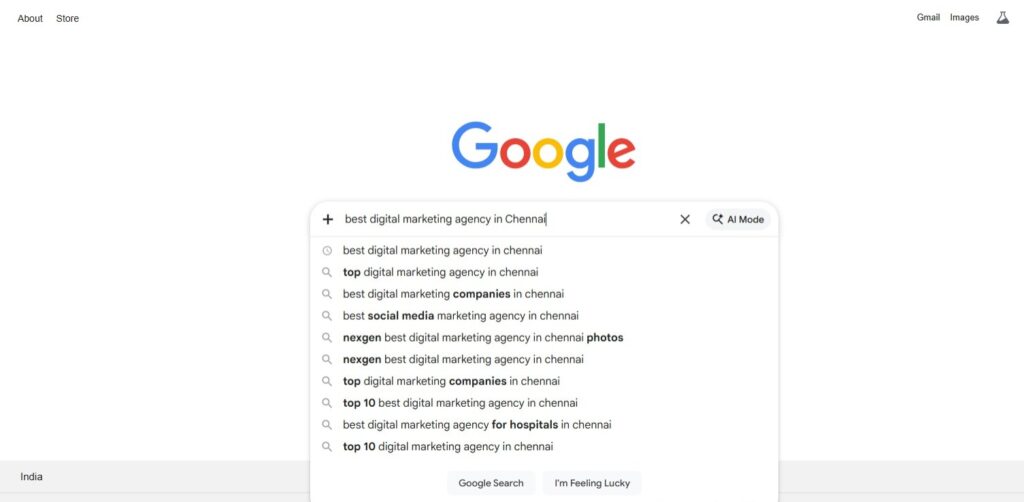
SEO Drives Relevant Traffic and Nurtures Content
When you publish helpful content, SEO helps it reach the right searchers. This means:
- Higher engagement
- Longer reading time
- Better conversions
SEO attracts people who are already interested. Content then educates them and pushes them deeper into your brand journey through:
- Call-To-Actions
- Lead magnets
- Case studies
- Product pages
So SEO brings the audience, content builds the relationship.
Add Images
Images improve your SEO content. To do this correctly:
- Use keyword-based file names. Example: “content-marketing-strategy.png”
- Add ALT text using your keywords
- Add captions for context
Images help:
- Improve search ranking
- Increase time on page
- Get traffic from Google Images
This boosts both brand visibility and content value.

SEO Content Boosts Visibility and Brand Awareness

When content is optimized for SEO, it appears in search results, snippets, and “People Also Ask” positions. This increases:
- Brand visibility
- Brand recall
- Organic authority
Your content becomes a tool for building your brand online.
SEO and Content Work Together to Improve User Experience
Google rewards pages that give users a good experience. That means content must be easy to read, and pages must be optimized. Together they improve:
- Navigation
- Heading structure
- Page load speed
- Internal linking
- Mobile experience
This creates a smooth journey for users and improves rankings.
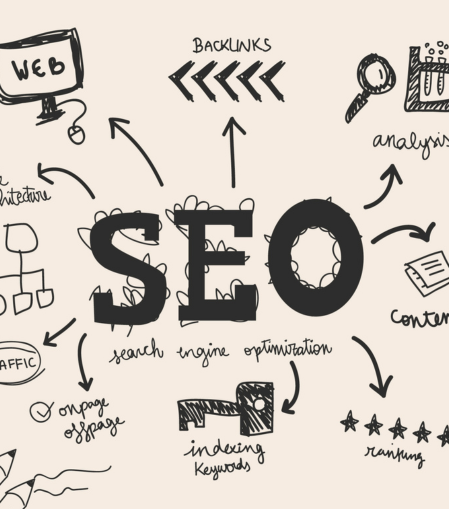
How Your Website Should Be Structured and Optimized
To get the best results, your website must have a clean and simple structure:
Logical Navigation
- Homepage
- Main pages
- Category pages
- Blog pages
Content Clusters
Create one main topic page and many supporting blogs.
Example:
- Main: Content Marketing Guide
- Supporting: SEO basics, keyword research, link building, etc.
Technical SEO
- Fast loading
- Mobile-friendly
- Easy URL structure
- Meta descriptions with keywords
How You Should Approach Building Pages and Content
Follow this simple formula:
1. Start with keyword research: Find what people are searching for.
2. Understand search intent: Why are they searching? To learn or to buy?
3. Create high-quality content: Use headings, points, and examples.
4. Keyword placement: Use keywords naturally in the content.
5. Strong linking: Add internal links to other useful pages.
6. Add visuals: Images, charts, infographics.
How You Should Link to Other Sites and Your Own Content
Links are a major part of SEO and Content marketing. Both internal and external links are important:
Internal Links
- Link your blog to related content.
- Help users explore more pages.
- Pass authority to new pages.
External Links
- Link to trusted sources like industry blogs, research sites, and official reports.
- This increases trust and credibility.

High-Quality SEO Content Helps Your Pages Rank Better
Google ranks pages that:
- Answer questions clearly
- Use the right keywords
- Have good structure
- Load fast
- Offer value
- Include links
- Use images
The higher the quality of your content, the higher you rank on search results.
Mastering SEO Fundamentals
SEO divides into on-page, off-page, and technical elements to align with search algorithms. On-page tactics include embedding keywords naturally in titles, headers, and body text while ensuring fast load times and mobile-friendliness. Off-page efforts focus on earning high-quality backlinks, signaling authority to engines like Google.
Real-world examples shine in execution: Nike optimizes product pages with precise keywords and rich images for top rankings. Garage Gym Reviews dominates fitness niches via in-depth blogs paired with YouTube content, blending SEO with multimedia appeal.
Building Content Marketing Strategies
Content marketing thrives on audience-centric assets like guides, videos, and case studies distributed via blogs, emails, and social platforms. Key is matching content to user intent—informational, navigational, or transactional—to boost engagement metrics such as time on page and shares. Strong calls-to-action (CTAs) guide readers toward actions like sign-ups or purchases.
Brands like Monday.com excel with internal linking and persuasive CTAs in every post, keeping visitors engaged longer. Backlink uses original studies and skimmable formats with subheaders, bullets, and visuals to establish thought leadership.
Conclusion
Content marketing and SEO are not separate strategies—they are stronger together.
- Content marketing brings value.
- SEO brings visibility.
As the best content writing services and Best SEO agency in Chennai When combined, they help you:
- Rank higher
- Drive organic traffic
- Build brand awareness
- Improve user experience
- Convert visitors into customers
This is why smart brands invest in SEO-driven content marketing for long-term growth.